


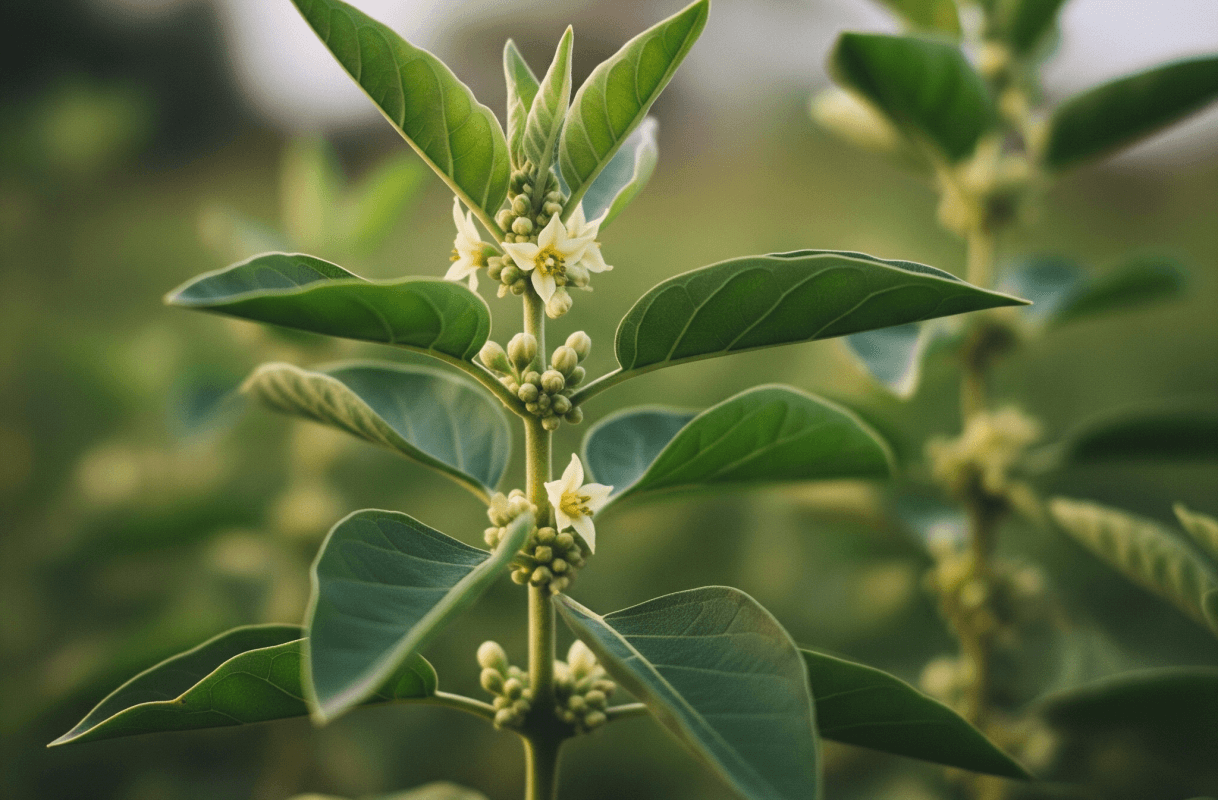
Adaptogenic Herbs: Natural Allies for Modern Stress
In our fast-paced world, stress has become an unwelcome companion for many people. Between work demands, family responsibilities, and daily pressures, finding natural ways to support our body’s stress response has never been more important. Enter adaptogenic herbs—a fascinating group of plants that may help your body better handle stress and maintain balance.
What Are Adaptogenic Herbs?
Adaptogenic herbs are natural compounds found in certain plants that may help your body adapt to various types of stress. These herbs work by affecting the immune-neuro-endocrine system and the hypothalamic-pituitary-adrenal axis in a multi-targeted, network-like manner. Think of them as training wheels for your body’s stress response system.
When you take adaptogens, you’re essentially training your body to handle stress better, similar to how exercise trains your muscles. The term “adaptogen” was first coined by Soviet scientists in the 1940s who were looking for natural ways to help people perform better under challenging conditions.
How Do Adaptogens Work?
Adaptogens work through a unique mechanism that sets them apart from other herbs. They interact with your hypothalamic-pituitary-adrenal (HPA) axis and sympathoadrenal system, both involved in your body’s stress response. These herbs help regulate hormone production and physiological responses to ensure your body functions optimally during stressful times.
What makes adaptogens special is their normalizing effect. If you’re stressed with elevated cortisol, an adaptogen will respond by reducing cortisol levels. If you experience chronic fatigue with low cortisol levels, an adaptogen will increase cortisol in your body. This balancing act helps bring your body back to homeostasis.
The Science Behind Popular Adaptogenic Herbs
Ashwagandha: The Stress-Fighting Powerhouse
Ashwagandha is perhaps the most well-researched adaptogenic herb available today. In traditional Ayurvedic medicine, people have used ashwagandha for thousands of years to relieve stress, increase energy levels, and improve concentration.
Recent clinical studies have shown promising results. In one double-blind, placebo-controlled study of 64 adults with chronic stress, participants taking ashwagandha showed a 27.9% reduction in serum cortisol levels after 60 days, compared to only 7.9% in the placebo group. These participants also reported improvements in stress levels and overall well-being.
Rhodiola: The Arctic Adaptogen
Rhodiola rosea, also known as golden root or arctic root, has been used in traditional medicine across Europe and Asia for centuries. This herb has been traditionally used to stimulate the nervous system, treat stress-induced fatigue and depression, enhance physical performance, and improve work productivity.
Research has shown that rhodiola may help improve symptoms of burnout. In one study of 118 people with stress-related burnout who took 400 mg of rhodiola daily for 12 weeks, participants showed clear improvement in stress and depression symptoms, with the most improvement occurring during the first week.
Other Notable Adaptogens
Several other adaptogenic herbs show promise in research studies. Ginseng species have demonstrated noteworthy reductions in fatigue levels according to multiple clinical trials. Holy basil, known as the “queen of herbs” in Ayurvedic practices, has shown effectiveness in reducing generalized anxiety disorder, stress, and depression in clinical trials.
Potential Benefits of Adaptogenic Herbs
Research suggests adaptogenic herbs may offer several health benefits:
Stress Management: Studies show that adaptogens can help reduce sensitivity to stressors and prolong the resistance phase of stress response. This may help you feel more resilient when facing daily challenges.
Improved Energy and Fatigue: Research indicates that rhodiola may be effective for reducing fatigue symptoms, with some studies showing benefits at doses as low as 50 mg for daily preventative use.
Enhanced Mental Performance: Clinical studies have found that rhodiola preparations may improve cognitive functions, mental performance, and various symptoms of life-stress and burnout.
Physical Performance Support: Athletes and non-athletes are increasingly using adaptogenic herbs to boost endurance and strength performance, with research showing potential benefits for physical stamina and energy levels.
Important Safety Considerations
While adaptogenic herbs show promise, it’s essential to approach them with appropriate caution. More research is needed to fully understand the potential health benefits of adaptogenic herbs, and individual responses can vary significantly.
Studies suggest that adaptogens work best for short durations (less than six months) because your body could build resistance to their effects over time. Some people may experience side effects such as digestive upset, dizziness, or sleep disturbances.
Additionally, certain adaptogenic herbs may interact with medications for diabetes, blood pressure, and thyroid conditions. Pregnant or nursing women should exercise particular caution, as safety data during these periods is limited.
Making an Informed Choice
If you’re interested in trying adaptogenic herbs, quality matters significantly. Unfortunately, adaptogenic supplements are at risk of adulteration or having their quality and purity lowered. Look for products that carry third-party testing seals like USP or NSF to ensure quality and purity.
Adaptogens are available in various forms, including capsules, powders, teas, and tinctures. Some people enjoy adding adaptogenic powders to smoothies or using tinctures mixed with water, while others prefer the convenience of standardized capsules.
The Bottom Line
Adaptogenic herbs represent an intriguing area of natural health research with centuries of traditional use backing their modern applications. While current research shows promise for stress management, energy support, and overall well-being, more high-quality human studies are needed to fully establish their clinical efficacy.
These herbs work best as part of a comprehensive approach to health that includes proper nutrition, regular exercise, adequate sleep, and stress management techniques. They’re not magic bullets, but they may serve as valuable allies in supporting your body’s natural ability to handle life’s challenges.
Before starting any new supplement regimen, including adaptogenic herbs, consult with a healthcare provider who can help determine if they’re appropriate for your individual health situation and goals.